

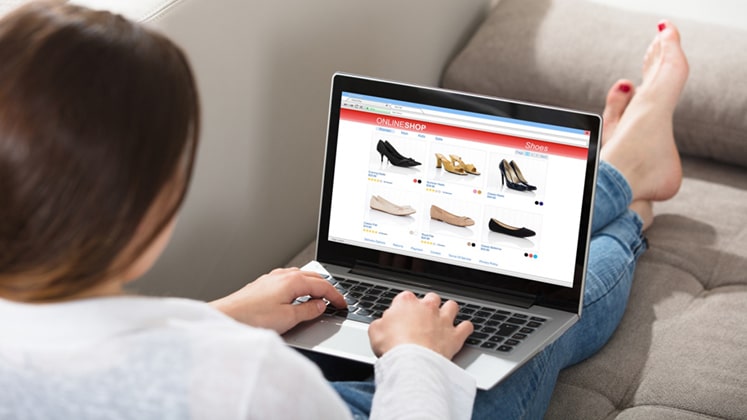
The global fashion landscape has undergone a monumental shift over the past two decades. What was once an industry anchored in physical storefronts, quarterly seasonal runways, and print magazines has transformed into a fast-paced, digital-first ecosystem. The rise of e-commerce has not merely added a new sales channel for apparel retailers; it has fundamentally rewritten the rules of garment design, supply chain management, marketing, and consumer behavior.
Online shopping democratized access to style, breaking down geographic and economic barriers that historically restricted consumer choices. Today, a shopper in a remote town has access to the same trend updates and inventory as someone living in a major fashion capital. This unprecedented connectivity has accelerated the pace of fashion consumption while forcing legacy brands and digital disruptors alike to continuously adapt to changing consumer expectations.
The Democratization of Style and Rise of Direct-to-Consumer Brands
Before the digital retail revolution, a small group of fashion editors, retail buyers, and legacy fashion houses held immense power over market trends. Consumers chose from inventory selected by local department stores and boutiques. E-commerce dismantled these traditional gatekeepers by providing direct access to global markets.
The Direct-to-Consumer Business Model
The direct-to-consumer model allowed independent designers and new fashion startups to bypass traditional wholesale distributors and department stores. By selling directly through proprietary websites and marketplace platforms, brands eliminated middleman markups, passed savings on to consumers, and retained full control over their brand narrative and customer relationships.
Global Market Access for Niche Designers
Online platforms provided small-scale artisans, sustainable fashion labels, and specialized apparel makers with a worldwide audience. Independent brands no longer needed massive capital reserves to open physical stores in prime commercial districts. Instead, digital storefronts enabled niche aesthetics, from adaptive clothing for disabled individuals to gender-fluid designs, to find dedicated global customer bases.
Accelerated Production Cycles and the Death of Traditional Seasons
Historically, the fashion calendar operated on a strict two-season or four-season cycle: Spring/Summer, Autumn/Winter, Resort, and Pre-Fall. Designers spent months creating collections, showing them on runways, and waiting for orders before manufacturing began. E-commerce completely shattered this linear timeline.
From Fast Fashion to Ultra-Fast Fashion
Online shopping created a demand for instant gratification and constant novelty. Rather than waiting six months for runway designs to reach retail shelves, digital retailers began utilizing real-time search data and social media trends to design, manufacture, and list new products within days.
- Small-Batch Manufacturing: Retailers test small batches of new styles online and only scale production for items that demonstrate immediate popularity.
- On-Demand Production: Advanced print-on-demand and digital textile printing technologies allow manufacturers to produce items only after a customer places an order, reducing deadstock.
- Continuous Inventory Refresh: Digital storefronts feature daily or weekly product drops rather than static seasonal arrivals, keeping consumers continuously engaged.
Technological Innovations and Hyper-Personalization
The digital transition forced fashion brands to solve a fundamental challenge: replicating the tactile sensory experience of physical shopping through a computer or smartphone screen. In addressing this challenge, the industry developed sophisticated technological tools that altered how consumers discover and fit apparel.
Artificial Intelligence and Algorithmic Merchandising
Modern e-commerce platforms utilize advanced artificial intelligence to analyze browsing histories, click-through rates, purchase records, and localized weather patterns. AI engines deliver hyper-personalized product recommendations, customized promotional offers, and tailored style feeds to individual shoppers. This level of customization increases conversion rates and transforms static catalogs into interactive, individualized shopping experiences.
Virtual Fitting Rooms and 3D Garment Visualization
Fit uncertainty remains one of the primary hurdles in online apparel purchasing. To mitigate this issue, fashion technology companies developed virtual try-on software, augmented reality mirror applications, and 3D body-scanning tools. Consumers can now input precise physical measurements or upload photos to visualize how a garment drapes, stretches, and fits on their specific body type, significantly reducing fit guesswork.
Social Commerce and the Creator-Led Retail Ecosystem
The relationship between fashion marketing and consumer purchasing behavior has shifted dramatically from traditional print and television advertising to interactive social media platforms. Social commerce has turned social media networks from simple brand awareness channels into direct purchasing hubs.
Shoppable Content and Frictionless Checkout
Platforms like Instagram, TikTok, and Pinterest introduced embedded shopping tags, live-stream shopping events, and in-app checkout functionality. Consumers can discover an outfit in a video clip and purchase it in seconds without ever leaving the application. This frictionless path from discovery to purchase shortened the sales funnel and increased impulse buying.
The Shift to User-Generated Content and Influencer Marketing
Consumers increasingly trust peer reviews, real-world style videos, and micro-influencer recommendations over traditional polished brand advertisements.
- Authentic Styling Demonstrations: Shoppers look for real-time video reviews showing how clothes fit different body shapes in daily settings.
- Community-Driven Trends: Viral micro-trends like quiet luxury, cottagecore, or Y2K aesthetics originate from online user communities and immediately drive product demand across e-commerce platforms.
- Creator Collections: Social media influencers frequently launch co-branded capsule collections directly with digital retailers, leveraging their personal follower trust to drive instant sales spikes.
Realignment of Supply Chains and the Challenges of Reverse Logistics
While online shopping expanded market reach, it introduced complex operational and logistics challenges that fundamentally altered back-end fashion operations. Managing digital inventory requires sophisticated software systems capable of tracking stock across multiple fulfillment centers in real time.
The Burden of High Return Rates
One of the most significant operational strains facing online fashion retailers is product returns. Brick-and-mortar clothing stores typically record return rates between 8 and 10 percent, whereas online apparel return rates often range from 20 to 40 percent.
This high return rate stems from bracketing, a consumer habit where shoppers purchase multiple sizes or colors of the same item with the explicit intention of keeping one and returning the rest. Managing reverse logistics—inspecting, cleaning, repackaging, and restocking returned garments—adds significant operational costs and shrinks net profit margins.
Smart Inventory Management
To minimize shipping delays and reduce shipping distances, fashion brands utilize centralized Enterprise Resource Planning systems and localized fulfillment hubs. Data analytics predict regional demand spikes, allowing companies to strategically position inventory closer to major consumer populations.
Environmental Impact and the Push for Circular Fashion
The rapid expansion of online fashion shopping has intensified environmental concerns surrounding overproduction, packaging waste, and carbon emissions from high-volume shipping. The sheer speed of ultra-fast fashion models leads to increased garment disposal and textile waste.
However, the same digital infrastructure that accelerated fashion consumption is also enabling solutions to these environmental challenges. E-commerce has birthed a thriving digital circular economy.
- Online Resale and Thrift Platforms: Digital consignment marketplaces allow consumers to buy, sell, and trade pre-owned garments seamlessly, extending product lifecycles.
- Garment Rental Services: Subscription-based online platforms give consumers access to designer wardrobes for special occasions without requiring permanent ownership.
- Digital Product Passports: Brands are beginning to implement digital tracking codes that inform shoppers about a garment material origins, manufacturing labor conditions, and recycling instructions.
Frequently Asked Questions
How has online shopping affected physical fashion retail stores?
Physical fashion stores have evolved from simple point-of-sale locations into experiential showrooms and omnichannel fulfillment hubs. Many traditional retailers now use physical locations to offer fitting consultations, personal styling services, and convenient pickup or return points for online orders.
What is bracket shopping and why is it common in online fashion?
Bracket shopping occurs when a consumer buys the same garment in multiple sizes or colors to try on at home, knowing they will return the items that do not fit. It is common in online fashion due to inconsistent sizing standards across different clothing manufacturers and generous free return policies.
How do virtual fitting technologies improve online apparel sales?
Virtual fitting technologies use artificial intelligence, augmented reality, and precise body measurement data to show shoppers how garments will fit their specific body shape. This increases buyer confidence, improves conversion rates, and reduces return rates caused by sizing mismatches.
What is social commerce in the context of fashion retail?
Social commerce refers to the direct integration of e-commerce capabilities within social media platforms. It allows consumers to discover fashion products through posts, live streams, or short video clips and complete the entire transaction without leaving the social media application.
Why do online apparel retailers have higher return rates than physical stores?
Online shoppers cannot physically inspect fabrics, assess garment weight, or try on items before purchasing. As a result, issues related to unexpected sizing, color discrepancies between screens and real life, or tactile dissatisfaction lead to significantly higher return rates online.
How has e-commerce helped independent and small fashion designers?
E-commerce eliminates the need for expensive brick-and-mortar storefronts and traditional retail distribution networks. Independent designers can build direct relationships with global consumers through direct-to-consumer websites and social media, reducing startup costs and enabling niche product viability.
What are digital product passports in online fashion?
Digital product passports are scannable digital records linked to garments that provide detailed information about an item material composition, environmental footprint, ethical manufacturing standards, and end-of-life recycling guidelines. They foster brand transparency and support circular fashion practices.