

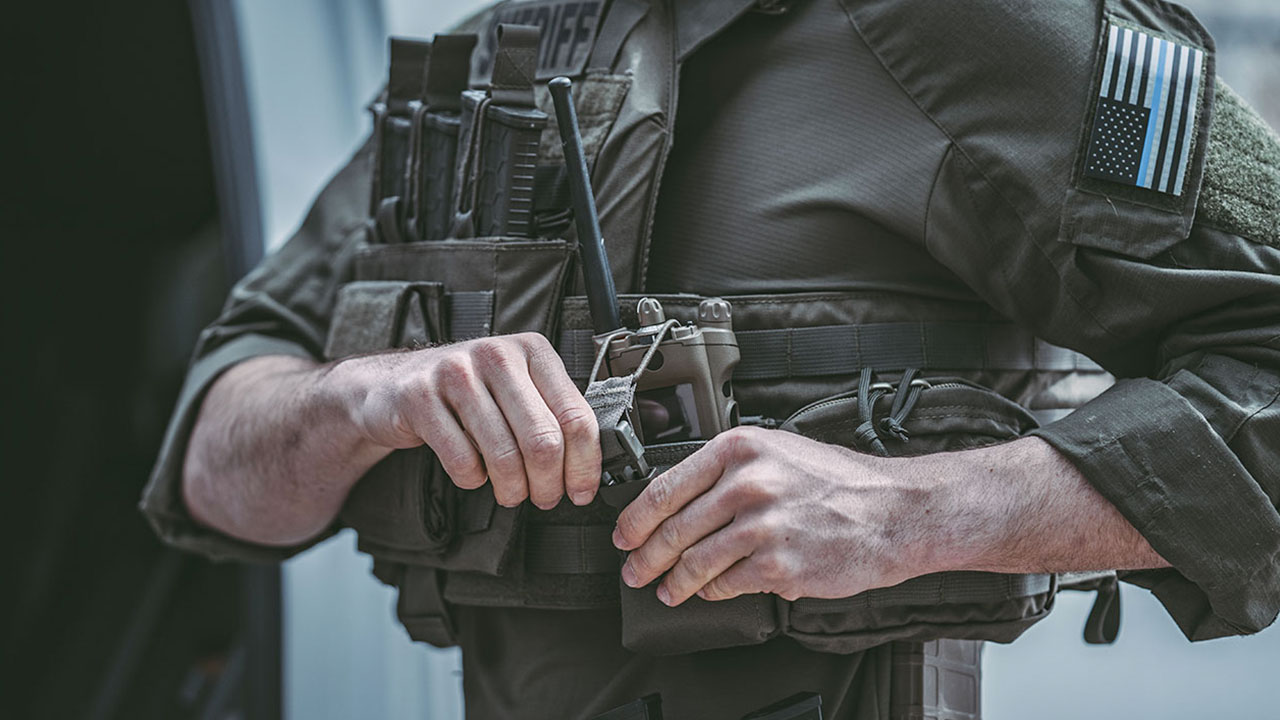
Wearing a plate carrier vest is one of the most essential safety items that a professional can have, especially when it comes to the law enforcement field, military operations, and high-level security. These are vests used to protect body parts from ballistic attack by heavy ballistic plates that cover the sensitive parts of the body. These vests are the basis for personal protection. But it’s not enough to just own a good vest, you have to wear it. If a poorly fitted or sized plate carrier is not used properly, it can be a serious problem, leading to extreme fatigue, limited movement and potentially compromising the safety of vulnerable body parts. The correct fit of your vest is crucial to make sure your armor is in place but doesn’t get in your way while you’re ready to perform when you need to.
Choosing the Correct Plate Size
Roughly the most typical error with regards to installing armor is to match the size of the plate carrier with the size of the t-shirt. The reality of size of plate carriers is actually based on the size of the ballistic plates that they can accommodate, and these plates should be sized for your body. The job of body armor is to guard your vital box, where the heart, lungs and main blood vessels reside.
The correct size plate is only found by measuring the distance between the collarbones and down to approximately two inches above the navel when seated. The width should be between nipples. The armor should cover this area completely and not be in the way when kneeling or too high up when looking down. After obtaining the correct plates, the matching size of the fabric carrier vest is selected to guarantee the heavy inserts will not move around during movement.
Positioning the Front and Rear Bags
After the proper plates are installed in the vest, the next step is to fine tune the ride height of the front and rear plate bags. The top of the front plate should sit snugly against your sternal notch (soft depression in the base of your neck between the collar bones). The higher the plate the more of the lungs are left vulnerable as well as the heart.
The rear plate bag should be too positioned like this on your back. It should lay flat on the upper back and front of the lungs across the upper spine and over the shoulder blades. Many users mistakenly set the back plate too low, leaving them unprotected, and also affecting the centre of weight of the vest. With both plates set at the proper height, the weight is spread more uniformly over the shoulders and fatigue is decreased on long wearing hours.
Tensioning the Cummerbund for Stability
The cummerbund is the length of cloth that ties around the torso between the front and back, over the vest. The tension of this component needs to be carefully balanced and it needs to be both secure and allow the child to breathe. When the cummerbund is placed too wide the vest will bounce and move around with each step, leading to pain and disruption in the balance.
The proper tension is determined by adjusting the cummerbund while donning the typical uniform layers with which to deploy. Place vest on, inhale deeply to fill the lungs and tie the cummerbund snug but not tight. The vest should tightly conform to your body without slipping during exhalation while offering easy breathing without resistance from the fabric. The modern vests, however, generally use elastic or stretch fabrics in the cummerbund to enable this natural expansion when exerting themselves.
Conclusion
Nothing is as useful as a plate carrier vest is when it fits properly. Choosing anatomically-fitted plates, positioning bags to protect your organs and ensuring your cummerbund isn’t too loose, turns this heavy-looking piece of equipment into an extension of your body. The proper adjustment maximizes your defensive abilities, whilst reducing the strain on your body, allowing you to reach your maximum athletic potential at the most important moments. From time to time a vest is being configured for duty use and/or heavy training, it’s important to respect the gear and protect life by taking the time and effort to get the fit perfect.